
Some medicines can make you more sensitive to the sun or increase the risk of dehydration without you realising it. The MHRA is encouraging people to know the risks and stay protected this summer.
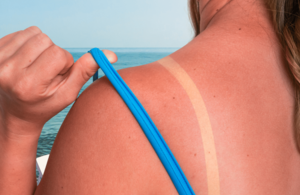
People taking certain prescription or over‑the‑counter medicines are being reminded to take extra care in warmer weather, as some treatments can make it harder for the body to stay hydrated, regulate temperature, or cope with sun exposure.
The advice is part of the Medicines and Healthcare products Regulatory Agency’s (MHRA)
‘Summer-proof your health’ campaign, which highlights practical steps people can take to use medicines and medical devices safely during warmer months.Dr Alison Cave, MHRA Chief Safety Officer, said:
“Some commonly used medicines can affect the body’s ability to stay hydrated, regulate temperature, or protect itself from sun exposure. For example, diuretics, often prescribed for blood pressure or heart conditions, can increase fluid loss and make dehydration more likely. Some antidepressants and antipsychotics can affect the body’s ability to regulate temperature, and medicines such as beta blockers may reduce the body’s response to heat stress.
“Other treatments can increase sensitivity to sunlight, meaning skin can burn faster or more severely than expected. These include certain antibiotics such as doxycycline and tetracycline, acne treatments like isotretinoin and topical retinoids; and antifungal medicines such as voriconazole. Disease-modifying antirheumatic drugs (DMARDs) such as methotrexate and azathioprine, often used to treat conditions including rheumatoid arthritis, psoriatic arthritis and lupus, can also increase photosensitivity.
“Proton pump inhibitors (PPIs), commonly used to treat acid reflux and heartburn, have also been linked to a very low risk of a lupus-like skin reaction triggered by sun exposure, and common painkillers such as ibuprofen and naproxen may also increase sun sensitivity.”
“Simple precautions can make a significant difference. Staying hydrated, avoiding the strongest sun during the middle of the day, and using protective clothing and sunscreen can all help reduce risk.
To reduce the risk of medicine-related problems during the summer, people are encouraged to:
Check the patient information leaflet for advice on sun exposure and hydration. This comes with every medicine and can also be accessed online.
Be aware of signs that the body is struggling in the heat, including dizziness, headaches, unusual fatigue, confusion or reduced urination. Skin that becomes red, sore, blistered or reacts more intensely after sun exposure may also be a sign of increased sensitivity linked to medication.
Do not stop taking prescribed medicines during hot weather without advice. Anyone who is unsure about how their medication may be affected by heat or sunlight should speak to a pharmacist or GP.
Through the “Summer proof your health” campaign, the MHRA is encouraging people to be aware of the potential risks associated with medicines in warmer weather and to take straightforward steps to stay safe throughout the summer.
Anyone who suspects they are having a side effect from a medicine is encouraged to talk to their doctor, pharmacist or nurse about it.
People can also report the side effect directly to the MHRA Yellow Card scheme, to help improve the safety of medicines for everyone. You can now use NHS login to create a new Yellow Card account or access an existing one, providing a secure and convenient way to sign in using credentials you may already use across NHS services.

No comments:
Post a Comment